01
Appearance and grain
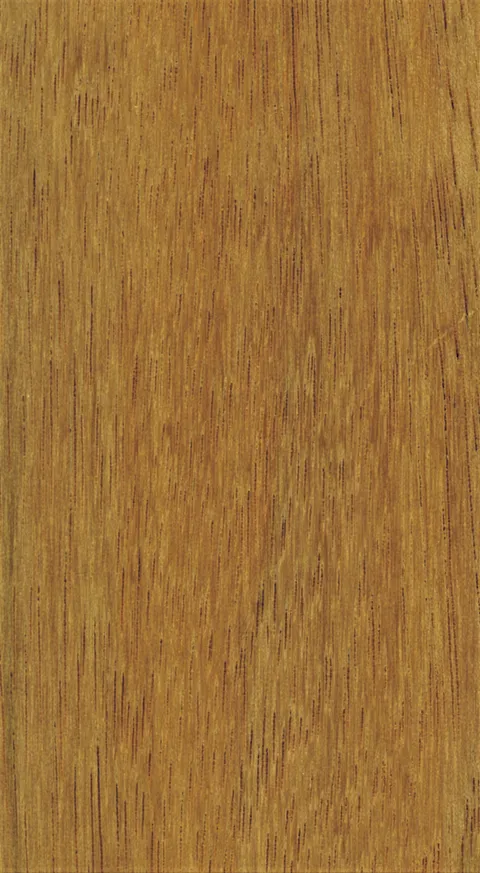
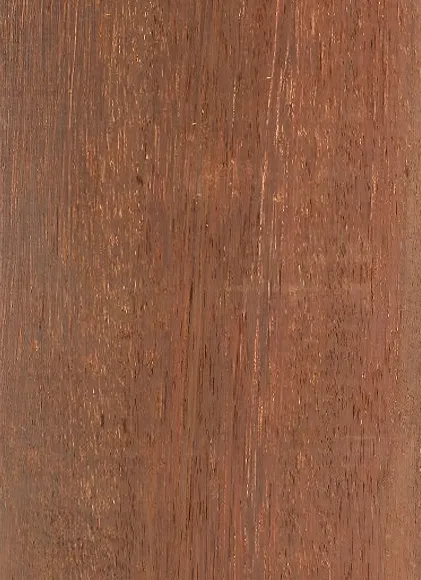
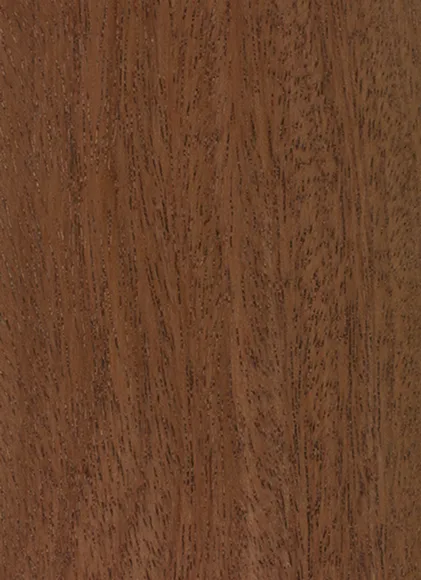
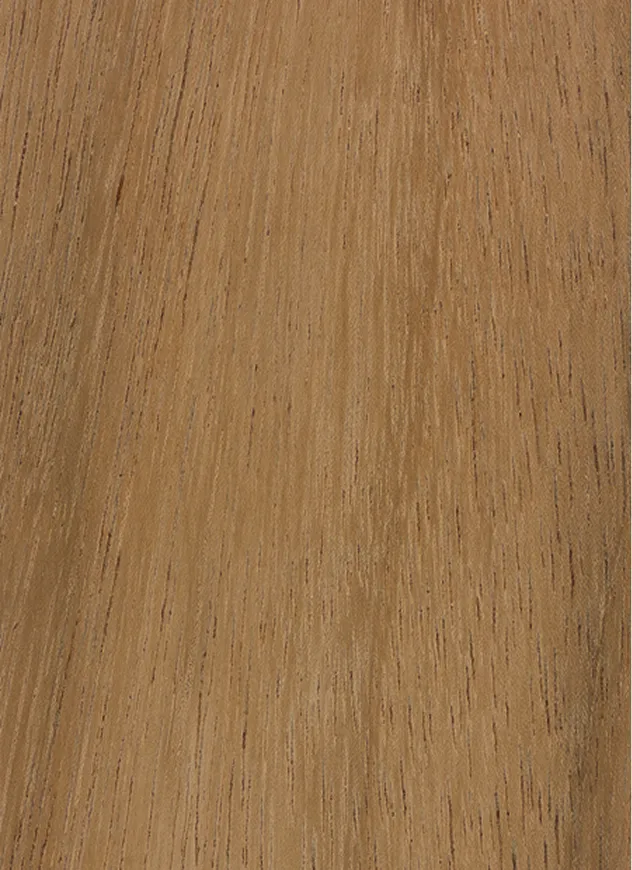
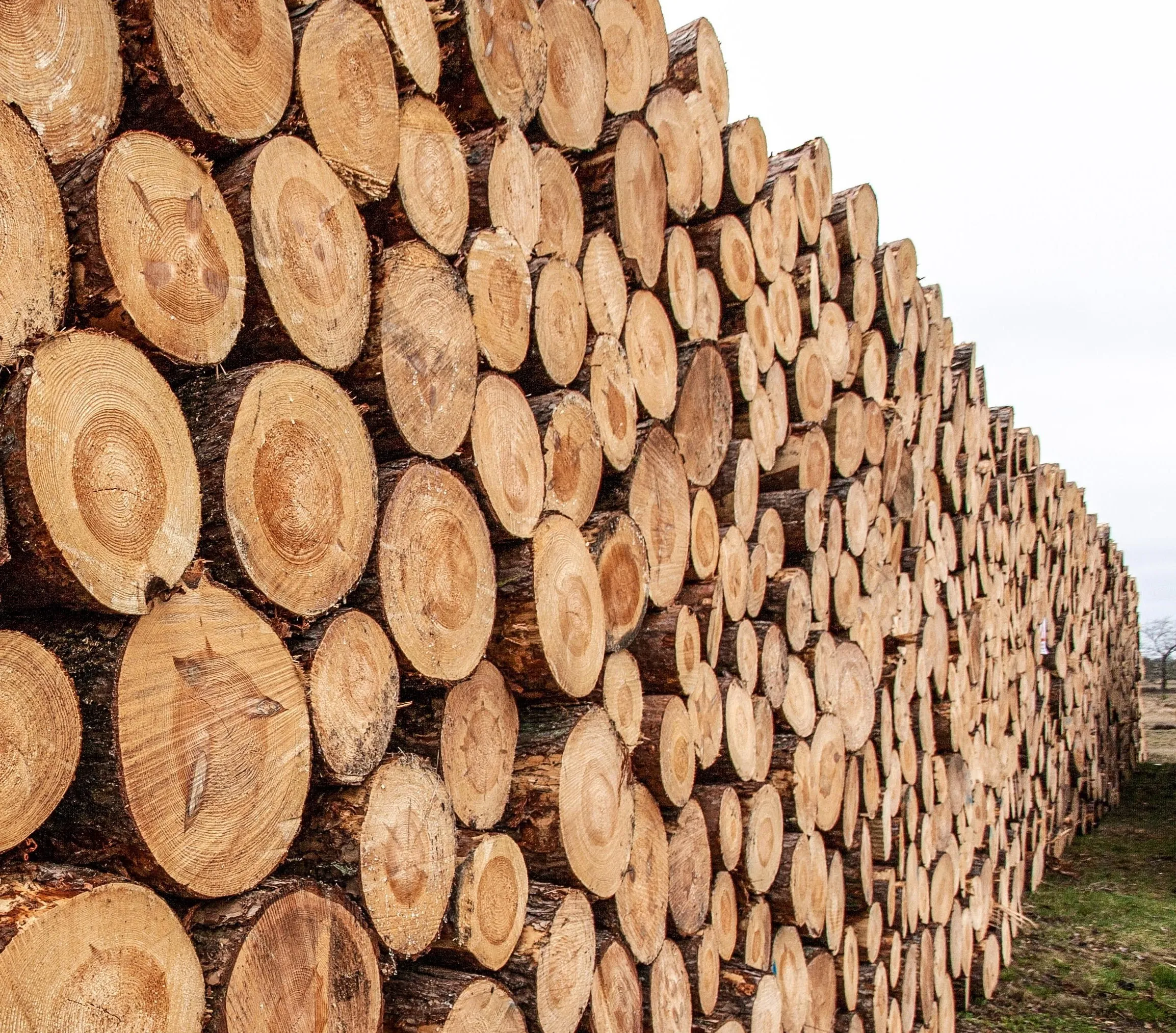
Heartwood is a light yellowish to reddish brown. The sapwood is unusually broad, light grey to pale yellow, and can run to 15 cm. The grain is interlocked, the texture uniform and coarse with moderate luster, and quarter-sawn faces carry a ribbon stripe.
02
Density, hardness and durability
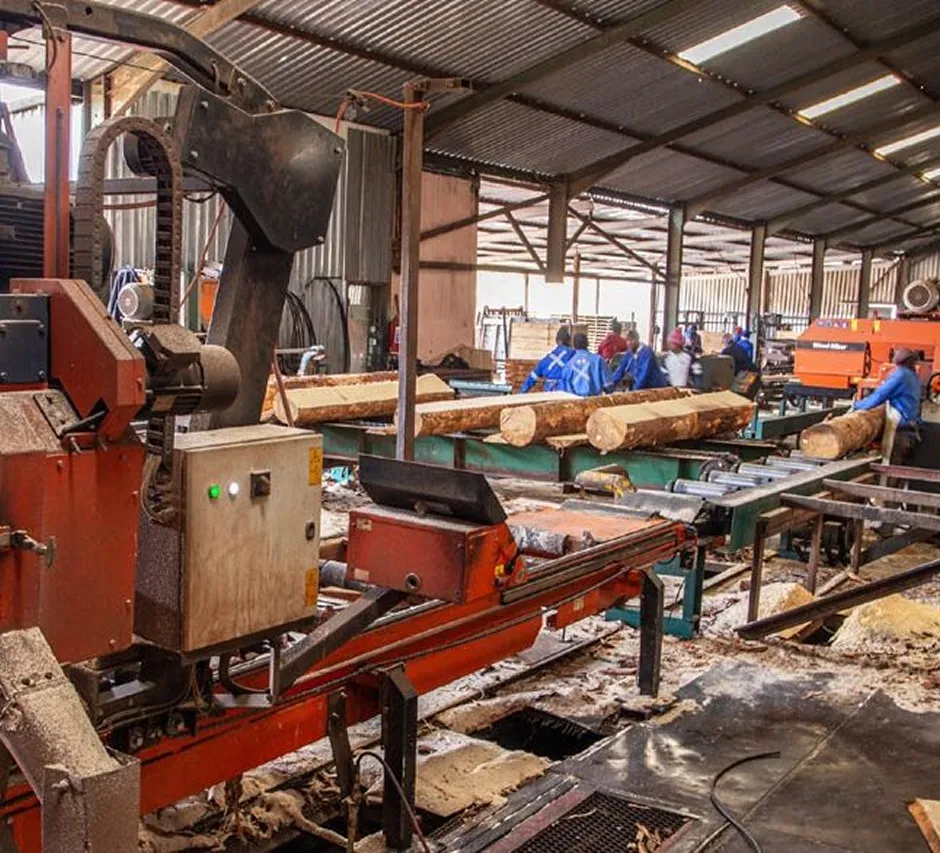
Dabema comes in at roughly 695 kg/m³ with a Janka hardness of 1,520 lbf. It is rated moderately durable, with mixed resistance to termites and borers. Despite the density it works easily by hand and machine, though it blunts cutters, tears out on quarter-sawn stock, and stains black where iron meets it in damp conditions. Turning, gluing and finishing all go well.
03
Typical applications
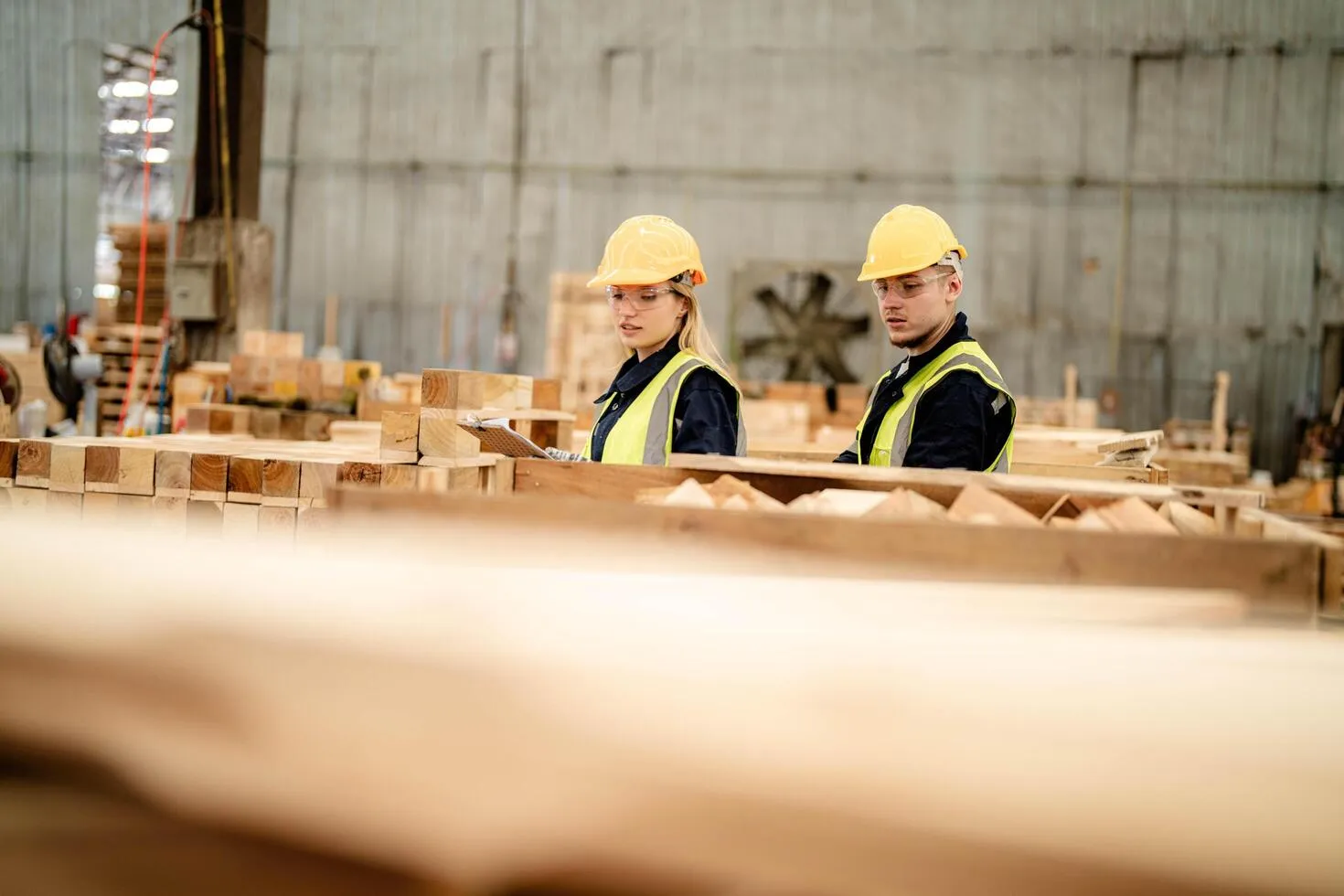
Dabema is used in heavy construction, sleepers, docks, boatbuilding and industrial flooring, and it turns up in furniture and cabinetry where the ribbon figure is wanted. Use stainless or coated fasteners in wet applications.
Specifications
Common name
Dabema, Dahoma
Scientific name
Piptadeniastrum africanum
Distribution
West, Central and East Africa
Tree size
30–50 m tall, 1.0–1.8 m trunk diameter
Average dry weight
695 kg/m³
Janka hardness
1,520 lbf (6,740 N)
Grain
Interlocked
Texture
Uniform and coarse, with moderate luster
Colour / appearance
Light yellowish to reddish-brown heartwood. Broad light grey to pale yellow sapwood, up to 15 cm wide. Quarter-sawn faces show a ribbon stripe.
Durability
Moderately durable. Mixed resistance to termites and borers.
Workability
Easy to work by hand or machine, but blunts cutting edges. Tear-out on quarter-sawn pieces. Stains on contact with iron in damp conditions. Turns, glues and finishes well.
Common uses
Heavy construction, flooring, boatbuilding, docks, furniture, cabinetry