01
Appearance and grain
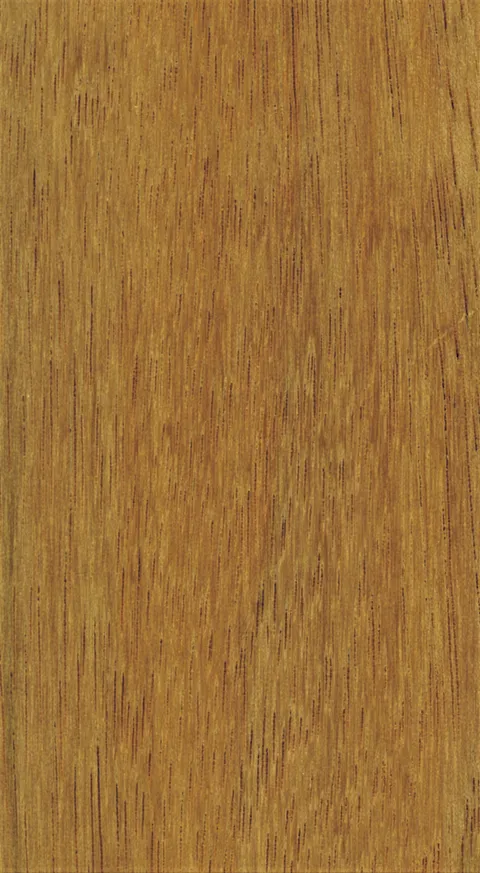
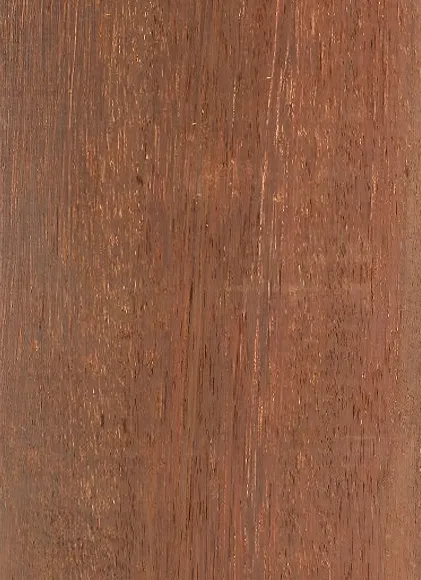
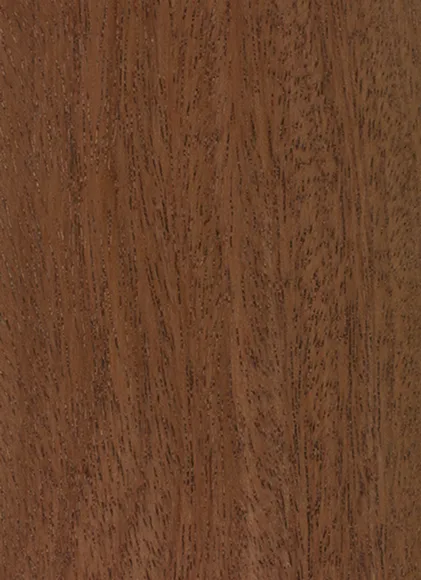
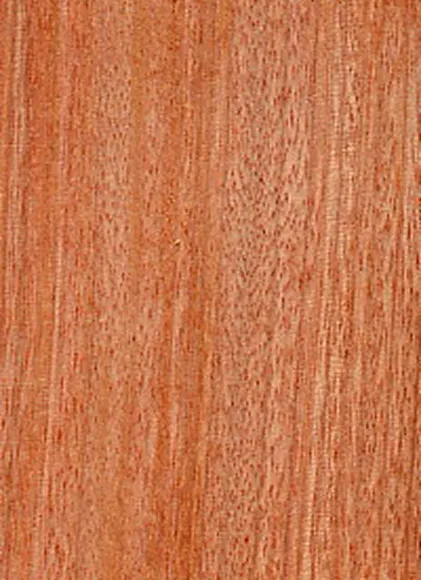
The heartwood is light brown to reddish-brown, with paler sapwood. The grain is interlocked or irregular and the texture medium, sometimes running coarse. Andoung is a trade name rather than a single species, so appearance varies more between parcels than it does with Iroko or Sapelli.
02
Density, hardness and durability
Andoung sits around 600–700 kg/m³. It is moderately durable, with sapwood that is noticeably less resistant than the heartwood. It works with standard tools, though interlocked grain can tear out when surfacing, and it finishes reasonably well. Because the name covers several species of Aphanocalyx and Bikinia, we quote properties per shipment rather than from a single reference figure.
03
Typical applications
Andoung goes into general joinery, interior fittings, furniture carcassing and construction timber. It is a sensible choice where a project needs a sound hardwood in volume and does not need the durability or the appearance of a premium species.
Specifications
Common name
Andoung
Scientific name
Aphanocalyx spp. and Bikinia spp. (formerly Monopetalanthus spp.)
Distribution
Central Africa, chiefly Gabon
Tree size
Medium to large trees
Average dry weight
600–700 kg/m³
Janka hardness
Approx. 1,100–1,400 lbf
Grain
Interlocked or irregular
Texture
Medium, sometimes coarse
Colour / appearance
Light brown to reddish-brown heartwood, with lighter sapwood.
Durability
Moderately durable. Sapwood is less resistant.
Workability
Works with standard tools. Interlocked grain can tear out. Finishes reasonably well.
Common uses
General joinery, furniture, interior fittings, construction timber